




When it comes to how to secure your home, most people think about cameras and alarms. And yes, they have their place. But here’s the honest truth: if a determined burglar can walk through your front door or push through a window screen, no camera or alarm is going to stop them.
Cameras record what’s happening. Alarms go off once someone’s already inside. By then, the damage is done.
Real home security starts before anyone gets in — at your doors and windows. Here’s how to think about it the right way, and what you can do to give your home the best possible protection.
Start at the Entry Points
According to Crime Stoppers, the most effective thing you can do to reduce the opportunity for thieves is to ensure appropriate locks are fitted to all doors and windows — and to keep them locked, even when you’re home.
That’s the foundation. But locks alone aren’t enough. A burglar doesn’t need to pick your lock if they can simply force the door open, cut through a flyscreen, or push a window frame until it gives.
This is where security screens and security doors become your single most important investment in how to secure your home.

Security Screens and Doors: Your First Line of Defence
Think of your home like a fortress. The walls are solid — but the doors and windows are the gaps. Whatever you put in those gaps determines how secure your home actually is.
A standard flyscreen or non-security screen door won’t stop a determined intruder. They’re designed to keep insects out, not people. A quality security screen or security door, on the other hand, is built to physically resist forced entry.
In Australia, genuine security screens and doors are tested to Australian Standard AS 5039, which covers knife shear, impact, and jemmy (levering) attacks — the three most common methods used to force entry. If a product is AS 5039 compliant, it has passed independent testing under real force. That’s not a marketing claim; it’s a verified standard.
Every security product in the Prowler Proof range is designed and manufactured to meet these standards — for doors, and windows. And because they’re available in a wide range of styles and powder coat colours, you don’t have to sacrifice how your home looks to make it secure.
If you’d like to understand more about what’s involved in fitting security screens, our Complete Guide to Security Screen Installation covers what to expect on installation day.
What About Cameras and Alarms?
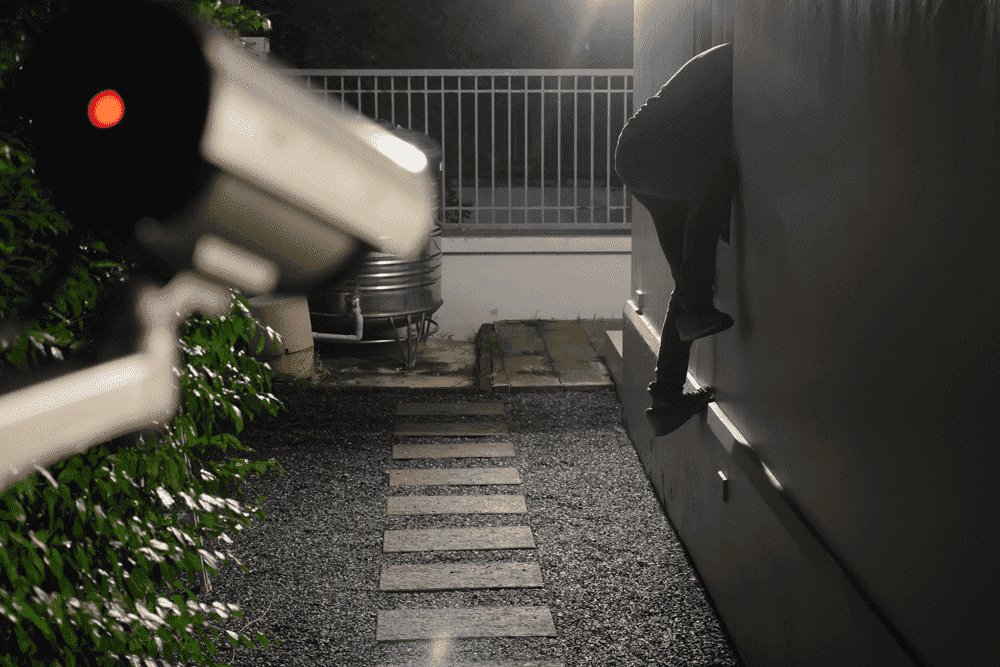
Let’s be fair. Security cameras and alarm systems are valuable tools — and we’re not saying don’t use them. A camera can help identify an offender after the fact, which matters enormously for police investigations. A monitored alarm can alert your security company or neighbours to act. They’re a meaningful part of a layered security approach.
But they work after the event, not before. An alarm sounds once someone has already crossed the threshold into your home. A camera captures what happened, but it doesn’t prevent it from happening. If your entry points aren’t physically secured, cameras and alarms are your safety net, not your shield.
Start with physical barriers, security screens and doors, then layer in cameras, alarms, and dead locks as additional tools.


Practical Home Security Tips
Beyond security screens and doors, there are a number of practical steps you can take to make your home a harder target. Burglars are opportunists — they look for easy access and low risk of being noticed. Anything you can do to reduce those two things works in your favour.
Lock up every time, without exception. Crime Stoppers is clear on this: even when you’re outside in the garden, doors and windows should be locked. Many break-ins happen through unlocked or unsecured openings when the homeowner is just metres away.
Secure your gates, garage, and shed. These are often overlooked. A ladder left in an unlocked shed, or a gate that doesn’t latch properly, can give a burglar exactly what they need to access your property and then your home.
Keep keys out of sight. House keys, car keys, and garage remotes left near the front door or in obvious places are a gift to a burglar. Store them somewhere a stranger couldn’t easily find or grab them.
Trim trees and bushes around entry points. RACV and Crime Stoppers both recommend keeping vegetation near doors and windows cut back. Overgrown shrubs give intruders a place to work unseen.
Think about lighting. Well-lit entry points — particularly at night — are a strong deterrent. Motion-activated lights near doors, gates, and along pathways make it much harder for anyone to approach your home without being noticed.
Don’t advertise expensive purchases. Leaving a large box for a new TV or appliance next to your bin tells opportunists exactly what’s inside your home. Break down packaging and put it in the bin rather than leaving it on the street.
Keep valuables out of sight. Crime Stoppers notes that thieves often target jewellery boxes on bedroom dressers and valuables in bedside drawers. Don’t make it easy — keep valuable items stored discreetly.
Mark your valuables. Using an engraver or UV pen to mark property with your driver’s licence number (prefixed with your state initial) makes it significantly harder for stolen goods to be resold and easier for police to return recovered items to you.
Know your neighbours. A street where neighbours look out for each other is far less attractive to a burglar. If you’re going away, let a trusted neighbour know — and return the favour. ADT Security Australia highlights community awareness as one of the most underrated layers of home security.


Thinking About It as Layers
The best home security doesn’t rely on any one thing — it works in layers. Here’s a simple way to think about it:
Layer 1 — Physical barriers: Security screens and doors on all entry points. This is your most important investment and your first line of defence.
Layer 2 — Locks: Quality deadlocks on all exterior doors, keyed locks on windows, and secured gates and outbuildings.
Layer 3 — Deterrents: Good outdoor lighting, trimmed vegetation, and visible evidence of a well-maintained, security-conscious home.
Layer 4 — Technology: Cameras and alarm systems as additional tools that complement your physical barriers.
Each layer adds value. But no layer below makes up for the one above. Get the physical barriers right first.
Wondering if security screens and doors are worth the investment? Read our post on Is It a Good Investment to Install Security Doors? for a full breakdown of the value they add.
Ready to secure your home’s entry points? Find your local Prowler Proof dealer for a free measure and quote.
FAQs
Securing your doors and windows with compliant security screens and doors is the single most impactful step. These are the primary entry points burglars use, and a quality AS 5039-certified security screen or door provides a physical barrier that cameras and alarms simply can’t replicate. After that, quality deadlocks on all external doors and keyed locks on windows round out your physical security.
They can help, but the evidence is mixed. Visible cameras may deter opportunistic offenders, but they don’t physically prevent entry. Their greatest value is in recording evidence to assist police after an incident. For genuine prevention, physical barriers — security screens and doors — are far more effective because they stop entry from happening in the first place.
Yes — absolutely. Many break-ins occur when homeowners are at home, often in another room or in the backyard. Crime Stoppers specifically recommends locking all doors and windows even when you’re outside, not just when you leave the house. Security screens allow you to keep windows and doors open for fresh air while still maintaining a secure physical barrier.